Pressure Washing vs. Soft Washing: Which Does Your Hilton Head Home Need?
If you've searched for "pressure washing near me" in Hilton Head or Bluffton, you've probably also seen the term "soft washing", and wondered what the difference is. Choosing the wrong method can crack siding, strip paint or void a roof warranty. Here's how to know which one your property actually needs.
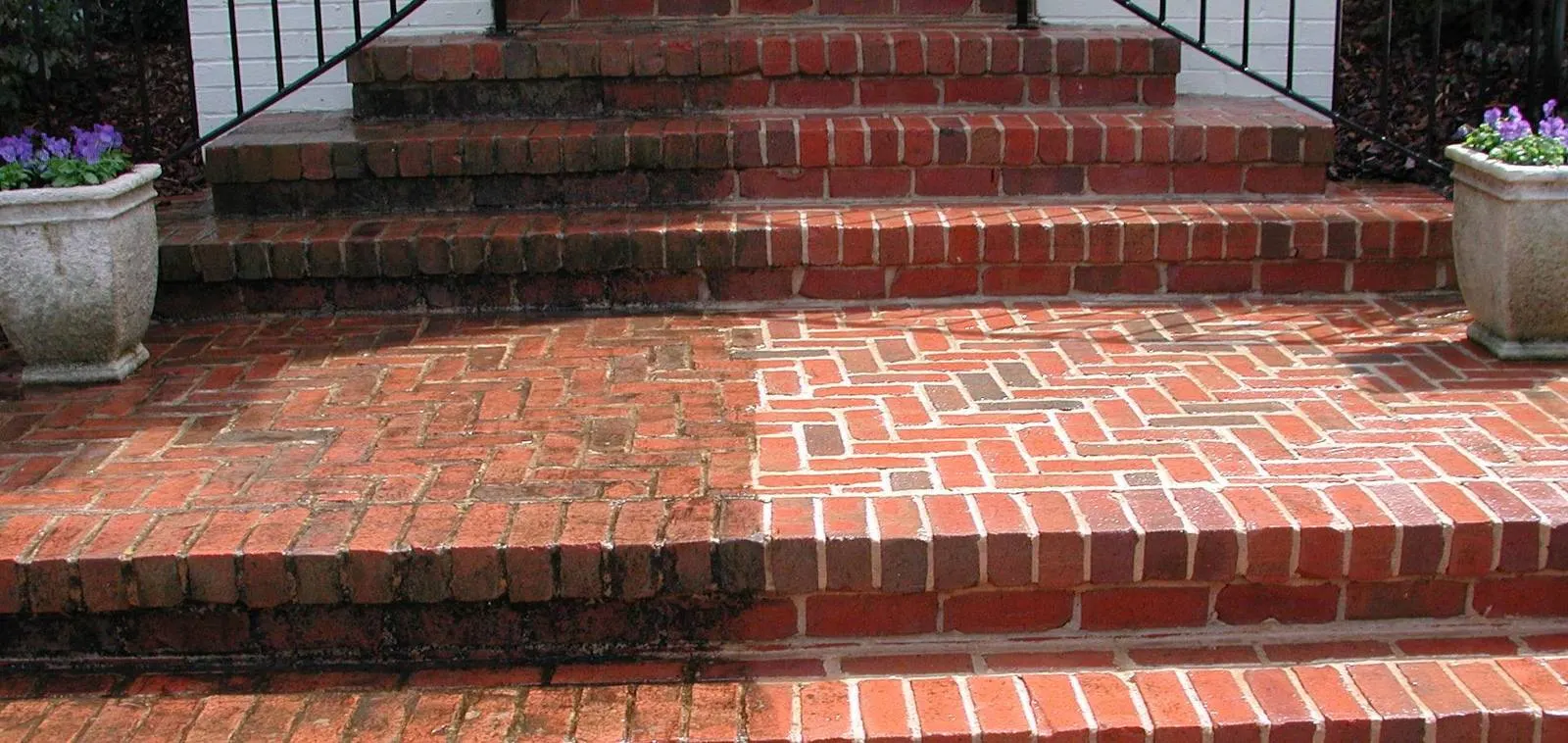
What is pressure washing?
Pressure washing (also called power washing) uses a high-pressure stream of water (often 2,000 to 4,000 PSI) to blast away dirt, mud, stains and buildup. That force is perfect for tough, hard surfaces but far too aggressive for anything delicate.
Best for: concrete driveways, walkways, paver patios, brick, retaining walls and other durable hardscapes.
What is soft washing?
Soft washing uses low pressure (closer to a garden hose) combined with biodegradable cleaning solutions that kill mold, mildew, algae and bacteria at the root. Instead of blasting grime off the surface, it dissolves it, so the results last far longer and the surface is never at risk.
Best for: vinyl, wood and fiber-cement siding, stucco, roofs, screened lanais, decks and any painted or porous surface.
The Lowcountry rule of thumb: if it's hard and flat like concrete, it can usually be pressure washed. If it's part of your house (siding, roof, soffits, screens) it should be soft washed. Our humid coastal climate grows mold fast, and soft washing is the only way to actually kill it instead of just rinsing it off.
Why soft washing matters in Hilton Head, Bluffton & Okatie
The Lowcountry's heat and humidity create the perfect environment for green algae, black mold and mildew. High pressure only knocks the surface growth off. Within weeks it's back, because the spores are still alive. Soft washing applies a cleaning solution that kills the organism, so your home stays cleaner for months longer.
High pressure also poses real risks here: forcing water behind vinyl siding, etching wood, stripping deck stain, and damaging older roofs. That's why most reputable local companies soft wash homes and reserve pressure washing for concrete.
Surface-by-surface guide
- Siding & stucco: Soft wash, which protects the surface and kills mold.
- Roof & shingles: Soft wash only. Pressure can void your shingle warranty. (See our roof cleaning guide.)
- Driveways & walkways: Pressure wash, which lifts oil, dirt and stains from concrete.
- Decks & docks: Soft wash or low pressure to protect the wood.
- Pool decks & lanais: Soft wash to clear pollen and mold safely.
Frequently asked questions
Is soft washing better than pressure washing?
Neither is universally better. It depends on the surface. Soft washing is best for siding, roofs and delicate surfaces; pressure washing is best for concrete and other hard surfaces. A professional uses both.
Will soft washing damage my plants?
No. We pre-wet your landscaping, use biodegradable cleansers and rinse thoroughly so your plants stay healthy.
Can you pressure wash vinyl siding?
It's not recommended. High pressure can force water behind the panels and crack older siding. Soft washing is the safe, recommended method.
Not sure which your home needs?
We'll assess your property and recommend the safest method, free of charge.
Get My Free Estimate